The Island of Glass and Timeless Craft
Just a short vaporetto ride from Venice, Murano feels like a world apart—quieter, more artisanal, and steeped in tradition. Since 1291, when Venice moved its glass furnaces here to reduce fire risk, Murano has been the beating heart of glassmaking innovation. For centuries, its artisans guarded trade secrets that made Venetian glass the envy of Europe. Today, the island blends history and creativity: Gothic palaces line its canals, while furnaces glow with molten glass shaped into chandeliers, vases, and intricate mosaics. This walk invites you to slow down, watch masters at work, and explore the cultural and architectural gems that tell Murano’s story. From historic churches to contemporary studios, every stop reveals a piece of this island’s enduring artistry.
This walk invites you to slow down, watch masters at work, and explore the cultural and architectural gems that tell Murano’s story. From historic churches to contemporary studios, every stop reveals a piece of this island’s enduring artistry.

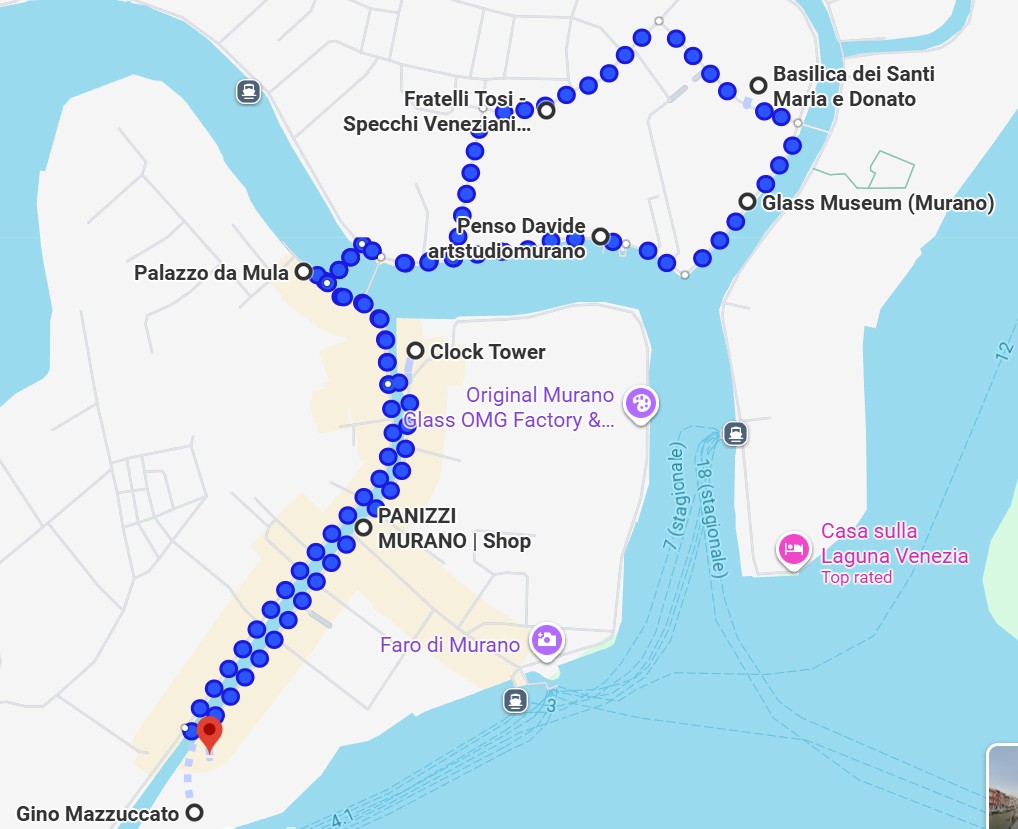
How to navigate with your mobile device
JCVWalks are designed to be easy to follow on your mobile device. As you walk, you can tap the header or photo for each point of interest to open the location directly in Google Maps. This will help you navigate from your current location to the next point of interest. If you’d like to learn more about any stop along the way, just click the links in the description for additional details and context.
Gino Mazzuccato Collezione
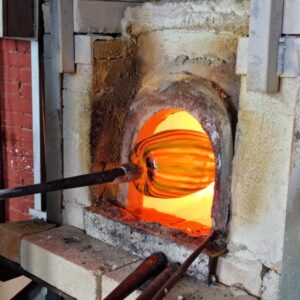
We’ll begin at Gino Mazzuccato Collezione, a family-run glass studio that has been shaping Murano’s identity since 1958. Here, tradition meets innovation as master artisans transform molten glass into chandeliers, sculptures, and contemporary art pieces. Watching a live demonstration is mesmerizing—the glowing furnace, the rhythmic turning of the blowpipe, and the delicate shaping of glass all speak to centuries of skill. The showroom spans two levels, showcasing everything from classic Venetian designs to bold modern creations. Take your time to browse; even if you’re not buying, this is a perfect introduction to Murano’s artistry.

Fondamenta dei Vetrai
As we stroll along Fondamenta dei Vetrai, you’ll notice why this is Murano’s beating heart. For centuries, this canal-side promenade has been lined with glass furnaces and workshops, once guarded by strict Venetian laws to protect trade secrets. Today, the street is alive with color—shop windows glitter with chandeliers, vases, and millefiori beads, while artisans can often be seen at work behind open doors. This is a great place to pause, browse, and maybe watch a quick lampworking demo. The name itself means “Street of the Glassmakers,” a reminder of Murano’s role as the world’s glass capital since 1291, when Venice moved its furnaces here to prevent fires.
Palazzo da Mula
Next, we’ll stop at Palazzo da Mula, one of the last surviving Gothic palaces on Murano. Built in the 15th century, it once served as a summer retreat for Venetian nobles escaping the city heat. Its red brick façade, pointed arches, and white Istrian marble details echo the grandeur of Venice’s palazzi, though on a more intimate scale. Imagine this canal lined with similar villas, gardens spilling to the water’s edge—a glimpse of Murano’s aristocratic past. Today, the palazzo houses municipal offices and cultural events, but its exterior remains a favorite photo spot. After admiring the view, we’ll cross the Ponte Longo, Murano’s longest bridge, and make our way toward Fratelli Toso, a name synonymous with glassmaking heritage.

Fratelli Toso
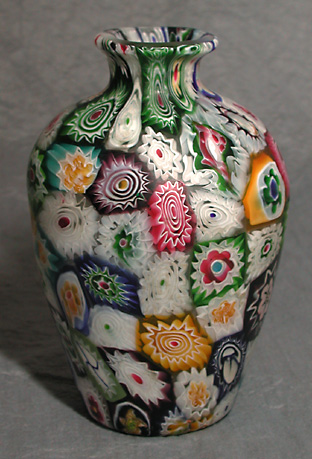
Our next stop is Fratelli Toso, a historic glassmaker founded in 1854 by six brothers determined to revive Murano’s fortunes after a period of decline. They became pioneers of the intricate millefiori technique—“a thousand flowers”—where colorful glass canes are fused into dazzling mosaics. Over the decades, Fratelli Toso blended artistry with innovation, creating pieces that range from delicate vases to bold modern designs. Their work earned acclaim at world exhibitions and remains highly collectible today. Even if you’re just browsing, take a moment to appreciate the craftsmanship that has endured for more than 150 years.
Basilica dei Santi Maria e Donato
Standing before the Basilica dei Santi Maria e Donato, you’re looking at one of the oldest churches in the Venetian lagoon, with roots in the 7th century. Its Romanesque exterior hides a breathtaking 12th-century mosaic floor—geometric patterns and mythical creatures crafted from marble and glass. The church is also steeped in legend: behind the altar hang enormous bones said to belong to a dragon slain by Saint Donatus, whose relics rest here. Whether myth or metaphor, the story adds to the basilica’s aura of mystery. Step inside if you can; the shimmering floor alone is worth the visit. The basilica is open Monday to Saturday from 9:00 AM to 5:00 PM, and Sunday from 12:00 PM to 5:00 PM. Admission is €3.50 for adults and included in the Venice City Pass.

Museo del Vetro (Glass Museum)
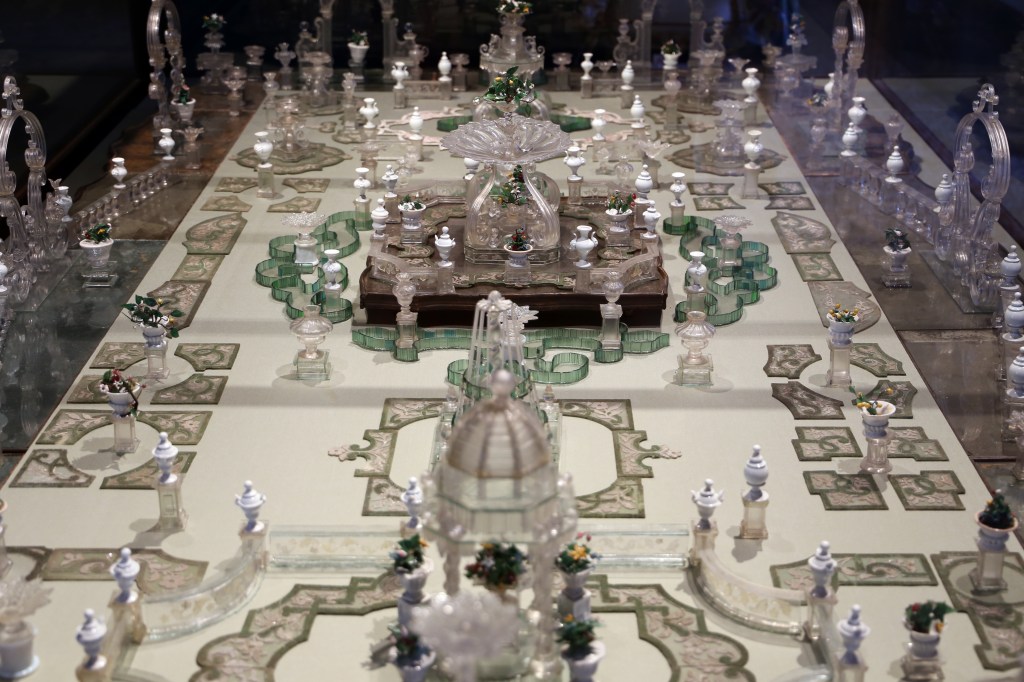
Next we visit the Museo del Vetro, housed in the elegant Palazzo Giustinian. Founded in 1861, this museum tells the story of glass from ancient Roman times to today’s avant-garde designs. Inside, you’ll see everything from delicate Renaissance goblets to bold 20th-century works by masters like Barovier & Toso. The exhibits trace Murano’s golden age, when its crystal-clear glass and intricate filigree were coveted across Europe. Don’t miss the section on millefiori and murrine—techniques that define Murano’s identity. Visiting here gives you a trained eye for spotting quality in the shops outside. After the museum, we’ll return along Fondamenta Manin, making our way back across the Ponte Longo to the clock tower at Campo Santo Stefano. The museum is open daily from 10:00 AM to 6:00 PM (until 5:00 PM in winter), and adult admission is €10—fully covered by the Venice City Pass
Clock Tower – Campo Santo Stefano
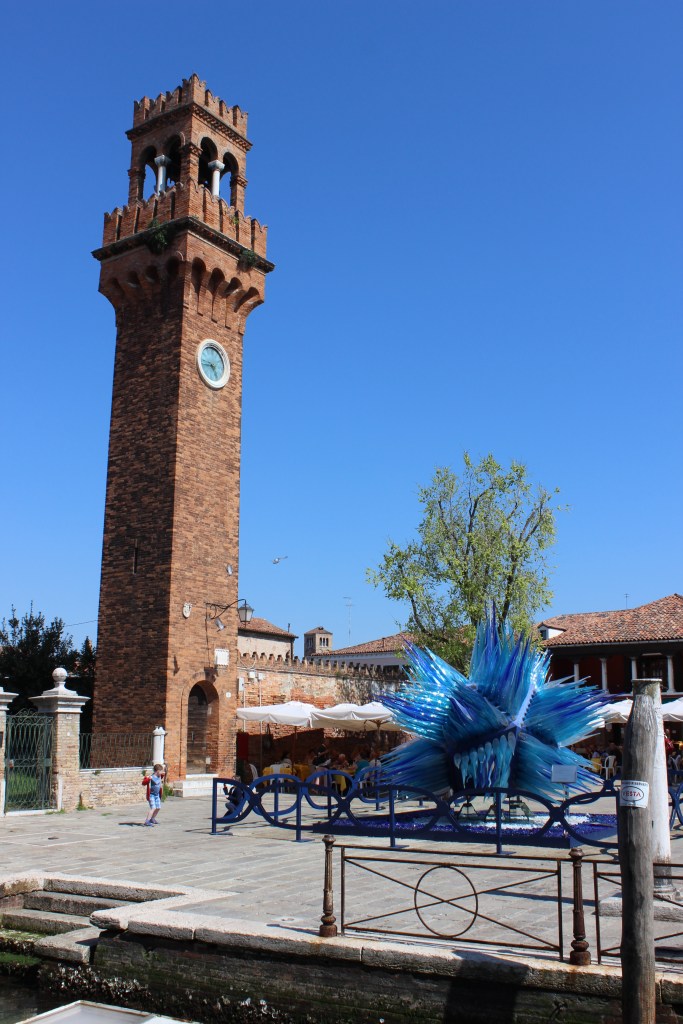
Standing tall in the heart of Murano’s Campo Santo Stefano, the island’s iconic Clock Tower (Torre dell’Orologio) is a striking 19th-century brick structure that once served as part of the island’s municipal complex. Though no longer operational, the tower remains a beloved landmark and a symbol of Murano’s civic pride. At its base, you’ll often find a striking modern glass sculpture—Comet Glass Star by Simone Cenedese—whose vivid blue shards contrast beautifully with the historic architecture. The surrounding square is a lively gathering place, lined with cafés and glass shops, making it a perfect spot to pause and take in the atmosphere of Murano.
Faro di Murano (Murano Lighthouse)
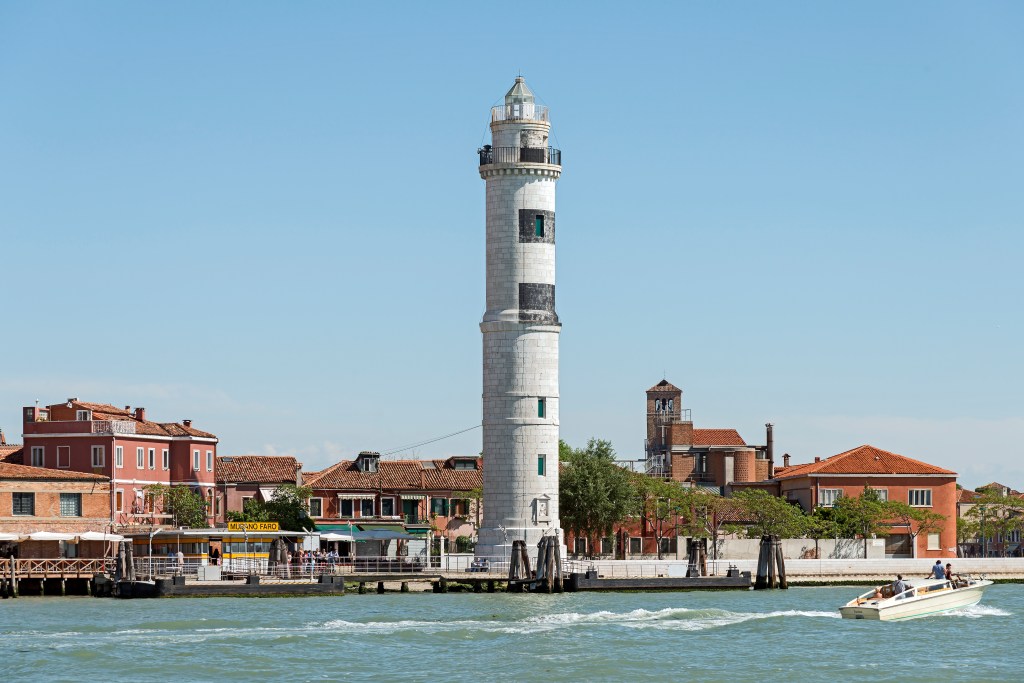
We will now walk along the Fondamenta Manin, the canal-side promenade just across the square. This peaceful stretch on the far side of the canal offers a quieter, more residential view of Murano. Before continuing to our final stop, we’ll take a short detour along Calle Bressagio, a narrow lane that leads us toward the Murano Lighthouse (Faro di Murano). This tall, cylindrical structure—still an active aid to navigation—stands at the island’s edge, guiding boats through the lagoon with its rhythmic beam. Built in the early 20th century and clad in white Istrian stone, the lighthouse is a striking contrast to the low-rise buildings around it. Though not open to the public, it’s a scenic and symbolic reminder of Murano’s connection to the sea and its role in Venice’s maritime history.
Glass Cathedral – Santa Chiara
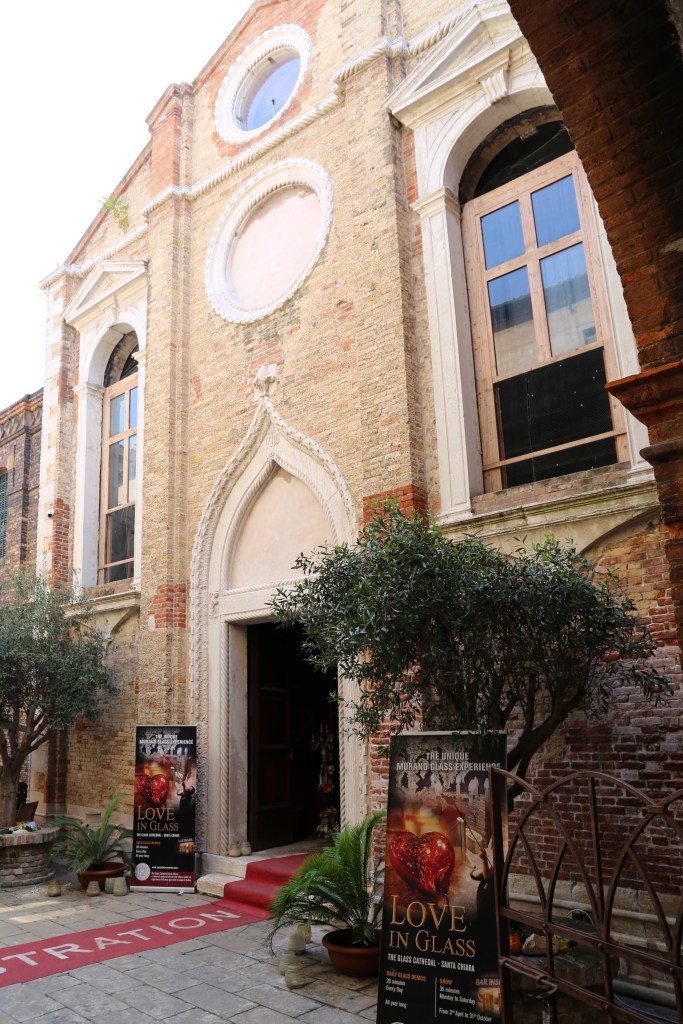
We will return to the Fondamenta Manin, and conclude our walk at the Glass Cathedral – Santa Chiara, a restored 12th-century church transformed into a space where history and artistry meet. Once home to Augustinian and later Franciscan nuns, the building later became a glassworks before falling silent for decades. Today, it hosts live glassblowing demonstrations under soaring Gothic arches, often accompanied by music and a glass of Prosecco. It’s an unforgettable experience—watching molten glass take shape in a setting that feels both sacred and theatrical. The venue also stages cultural events and private gatherings, making it a vibrant part of Murano’s present as well as its past. The Glass Cathedral is open daily from 10:00 AM to 4:30 PM, and adult admission is €17. Admission is included in the Venice City Pass
Thanks for walking with me!
I hope you enjoyed exploring Murano, an island where fire and imagination have shaped beauty for more than seven centuries. From the glow of glass furnaces to the quiet elegance of historic churches, every stop tells a story of artistry and tradition.
If you enjoyed the route, found a hidden gem, or have ideas for improving the experience, I’d love to hear from you! Your insights help me improve future walks and inspire fellow travelers. Please rate this walk using the stars below — and feel free to leave a comment. Grazie! — and happy exploring!


Click here for more JCV Walks
Your journey doesn’t have to end here. Choose another walk and let’s keep exploring together—one step at a time.
JCV Walks in Burano
Burano is a cheerful island of vivid colors and lace-making heritage. Women still weave intricate designs by hand, continuing a tradition that once made Burano lace famous across Europe. With quiet canals, leaning towers, and a strong sense of community, Burano is both photogenic and deeply local.
JCV Walks in Torcello
Torcello is the oldest of the lagoon islands, now home to just a few residents but rich in history. Byzantine mosaics fill the Cathedral of Santa Maria Assunta, and quiet paths lead to Santa Fosca and the Devil’s Bridge. It’s a peaceful retreat steeped in ancient stories.
JCV Walks in Giudecca
Giudecca sits just across the canal from central Venice, offering stunning skyline views and a slower pace. Once home to palaces and factories, it’s now a quiet residential island with leafy promenades, local cafés, and a lived-in feel. It’s Venice from a distance—calm, reflective, and authentic.
Photo Credits
- Gino Mazzuccato Collezione – Photo courtesy of Gino Mazzuccato Collezione
- Murano Glassmaking – Photo by Tony Hisgett from Birmingham, UK – Licensed under CC BY 2.0, Source
- Fondamenta dei Vetrai – ©2023 Google Maps
- Palazzo da Mula – Photo by Jean-Pol GRANDMONT – Licensed under CC BY 4.0, Source
- Fratelli Toso – By Ulrich Mayring – Photo by Ulrich Mayring – Licensed under CC BY-SA 3.0, Source
- Basilica dei Santi Maria e Donato – Photo by Sailko – Licensed under CC BY 3.0, Source
- Museo del Vetro (Glass Museum) – Photo by Sailko – Licensed under CC BY 3.0, Source
- Clock Tower – Campo Santo Stefano – Photo by Clara Polo Sabat – Licensed under CC BY-SA 4.0, Source
- Faro di Murano (Murano Lighthouse) – Photo by Didier Descouens – Licensed under CC BY-SA 4.0, Source
- Glass Cathedral – Santa Chiara – Photo by Sailko – Own work, CC BY 3.0, Source
- Murano Colonna – Photo by Wolfgang Moroder Licensed under CC BY 3.0, Source
