Step off the tourist trail and into the soul of Venice. These walks explore five of the city’s six historic sestieri—San Polo, Dorsoduro, Castello, Santa Croce, and Cannaregio—each offering a quieter, more residential experience. You’ll wander through leafy campos, past artisan workshops, hidden churches, and canals where laundry still flutters in the breeze. Each route reveals a different flavor of local life: the scholarly calm of Dorsoduro, the working-class roots of Santa Croce, the maritime legacy of Castello, the vibrant market energy of San Polo, and the peaceful, heritage-rich charm of Cannaregio.

Castello
Castello stretches east from San Marco and offers a refreshing escape from the crowds. With leafy gardens, naval history, and quiet canals, it’s Venice at its most residential—where locals live, artists work, and everyday life unfolds beyond the tourist trail.
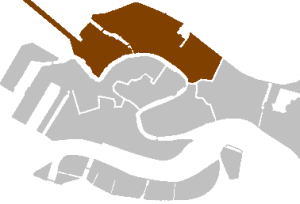
Cannaregio
Cannaregio is a peaceful, residential district with deep Jewish heritage and charming canals. It’s ideal for slow strolls past quiet churches, local cafés, and family-run shops. This is where Venetians live—and where visitors can feel the city’s true heartbeat.
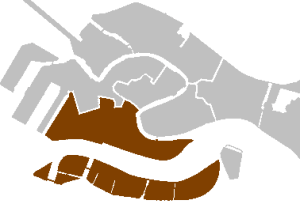
Dorsoduro
Dorsoduro blends art and authenticity. Home to museums, galleries, and scenic canals, it’s also a quieter district with student energy, peaceful squares, and a lived-in feel. It’s the perfect place to begin a walk and settle into Venice’s rhythm.

Santa Croce
Santa Croce is a gateway to Venice from the mainland, but it’s also a lived-in district full of contrasts. You’ll find quiet squares, working-class roots, and a mix of old warehouses and new life—perfect for discovering Venice beyond the postcards.

San Polo
San Polo is Venice’s oldest and smallest district, known for the lively Rialto Market and the iconic Rialto Bridge. Beyond the bustle, you’ll find quiet backstreets, artisan shops, and a local rhythm that rewards slower, more curious exploration.

San Marco
Unlike Venice’s quieter districts, San Marco is the city’s ceremonial heart—grand, theatrical, and always buzzing. It’s home to St. Mark’s Basilica, the Doge’s Palace, and the iconic piazza. Though not local in feel, it’s essential to understanding Venice’s public life and history.
Photo Credits
- Venice Districts – Castello – By I, Michiel1972, Licensed under CC BY-SA 3.0, Source
- Venice Districts – Cannaregio – By I, Michiel1972, Licensed under CC BY-SA 3.0CC BY-SA 3.0, Source
- Venice Districts – Dorsoduro and Giudecca – By I, Michiel1972, Licensed under CC BY-SA 3.0CC BY-SA 3.0, Source
- Venice Districts – Santa Croce – By I, Michiel1972, Licensed under CC BY-SA 3.0CC BY-SA 3.0, Source
- Venice Districts – San Polo – By I, Michiel1972, Licensed under CC BY-SA 3.0CC BY-SA 3.0, Source
- Venice Districts – San Marco – By I, Michiel1972, Licensed under CC BY-SA 3.0CC BY-SA 3.0, Source
