Where History Runs Deep and Culture Lives On

This walk explores Cannaregio, a district known for its quiet canals, local neighborhoods, and deep history. Starting at the Rialto Bridge, we move away from the crowds and into areas where Venetians live and work. Along the way, we’ll visit historic churches, the Jewish Ghetto, and the former home of Tintoretto, one of Venice’s great painters. This walk offers a chance to see a more authentic side of the city—less polished, more lived-in, and full of stories. It’s ideal for travelers who want to slow down and connect with Venice beyond the postcard views.


How to navigate with your mobile device
JCVWalks are designed to be easy to follow on your mobile device. As you walk, you can tap the header or photo for each point of interest to open the location directly in Google Maps. This will help you navigate from your current location to the next point of interest. If you’d like to learn more about any stop along the way, just click the links in the description for additional details and context.
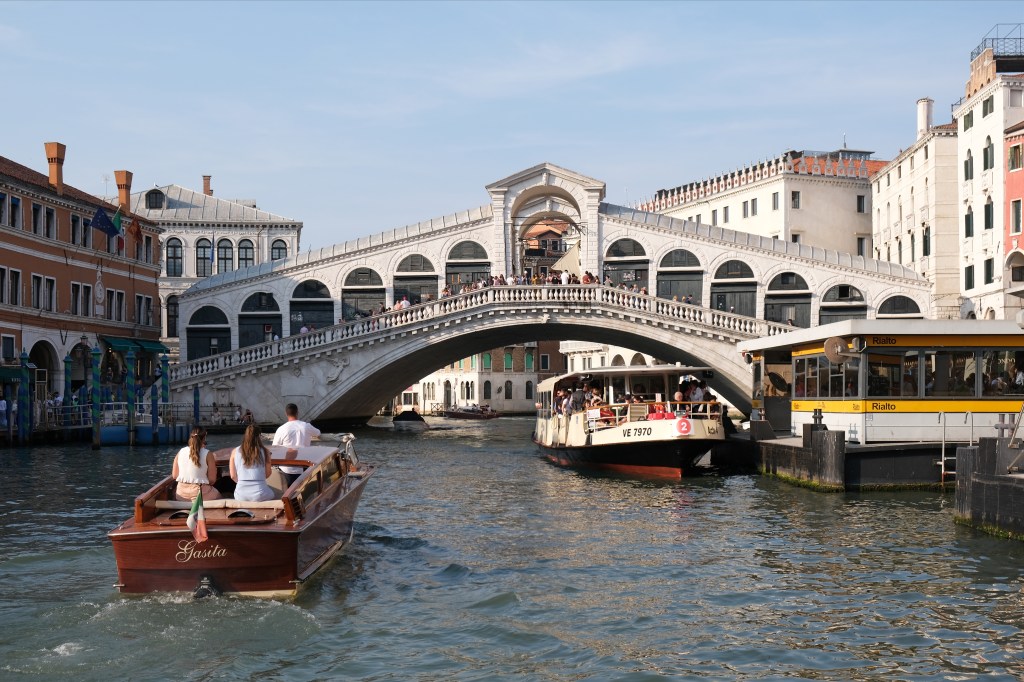
Ponte di Rialto
The Ponte di Rialto is not just a bridge—it’s a symbol of Venice’s commercial and architectural history. Completed in 1591, it was the first stone bridge to span the Grand Canal and quickly became a vital artery for trade and daily life. Its elegant arch and covered walkway once housed merchants selling goods from across the Mediterranean. Today, it remains a bustling hub, offering stunning views of the canal and a lively introduction to the city’s vibrant energy. Starting here sets the tone for a walk that blends history, beauty, and the rhythm of Venetian life.
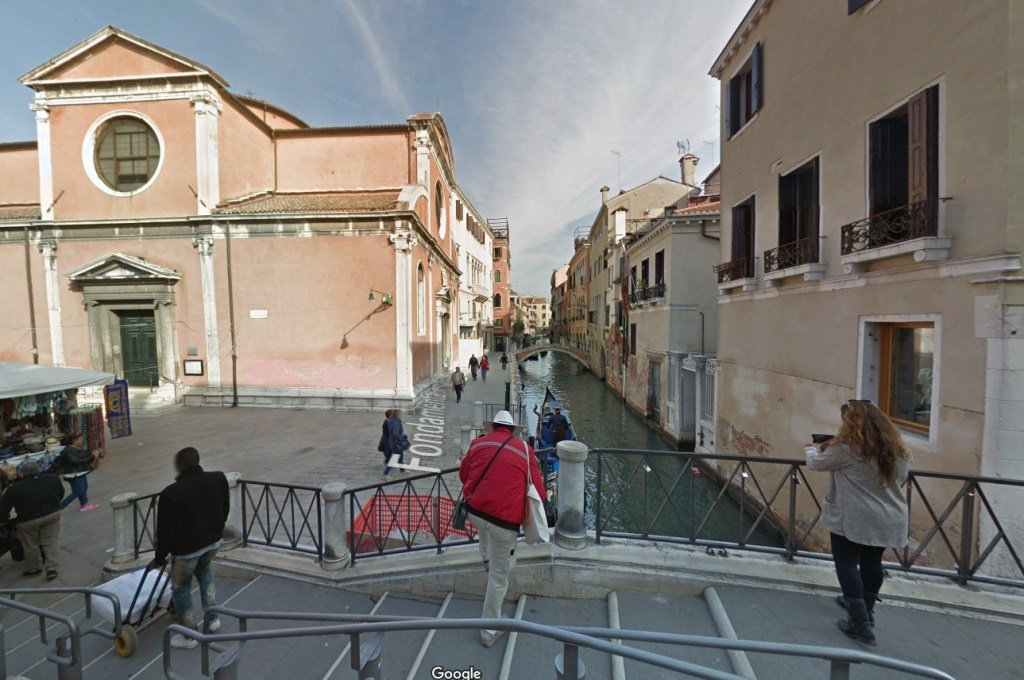
Fondamenta San Felice
Fondamenta San Felice offers a quieter, more intimate view of Cannaregio. This canal-side path is lined with historic homes and small shops, reflecting the everyday life of Venetians. Unlike the tourist-heavy areas, this stretch allows you to observe the city’s authentic pace—locals chatting from windows, laundry fluttering above the water, and boats gliding by. It’s a gentle reminder that Venice is not just a museum, but a living, breathing city. This spot eases us into the more residential and reflective parts of our walk.
Ponte Chiodo
Ponte Chiodo is one of the last remaining bridges in Venice without railings, a rare architectural relic that harks back to a different era. Its name, meaning ‘Nail Bridge,’ refers to the iron nails once used in its construction. The absence of parapets gives it a unique charm and a slightly daring feel. It’s a quiet, photogenic spot that invites reflection on how the city has evolved while preserving its quirks. Standing here, you get a sense of how Venetians once navigated their city with balance and familiarity.

If you want to pause for some cicchetti and a sprits, Vino Vero comes highly recommended. Located on the Fondamenta de la Misericordia, just ahead, its an unassuming canal fron wine bar with a great vibe and favored by locals.

Casa del Tintoretto
The Casa del Tintoretto is the former home of Jacopo Robusti, better known as Tintoretto. He lived and worked here in Cannaregio, and his influence is seen in churches all over Venice. Tintoretto was known for his dramatic style and ability to complete large-scale works quickly, which made him a favored artist for religious commissions. His paintings often feature bold movement and intense emotion, fitting the spiritual themes of the time. Visiting his home gives context to the many works you’ll see throughout the city and helps explain why his art became such a visible part of Venice’s religious and cultural identity.
Campo dei Mori
Just steps away is Campo dei Mori is a quiet square named for the statues of three “Moors” embedded in nearby buildings. These stone figures represent the Mastelli brothers—Silvestro, Sandi, and Rioba—Eastern merchants who settled in Venice in the 12th century. Legend says they were turned to stone after trying to cheat a widow, a cautionary tale etched into the city’s walls. The most famous statue, Sior Rioba, stands at a corner with an iron nose, once touched for luck or to curse corrupt officials. The campo also includes the house ofTintoretto, adding artistic depth to its mythic charm.

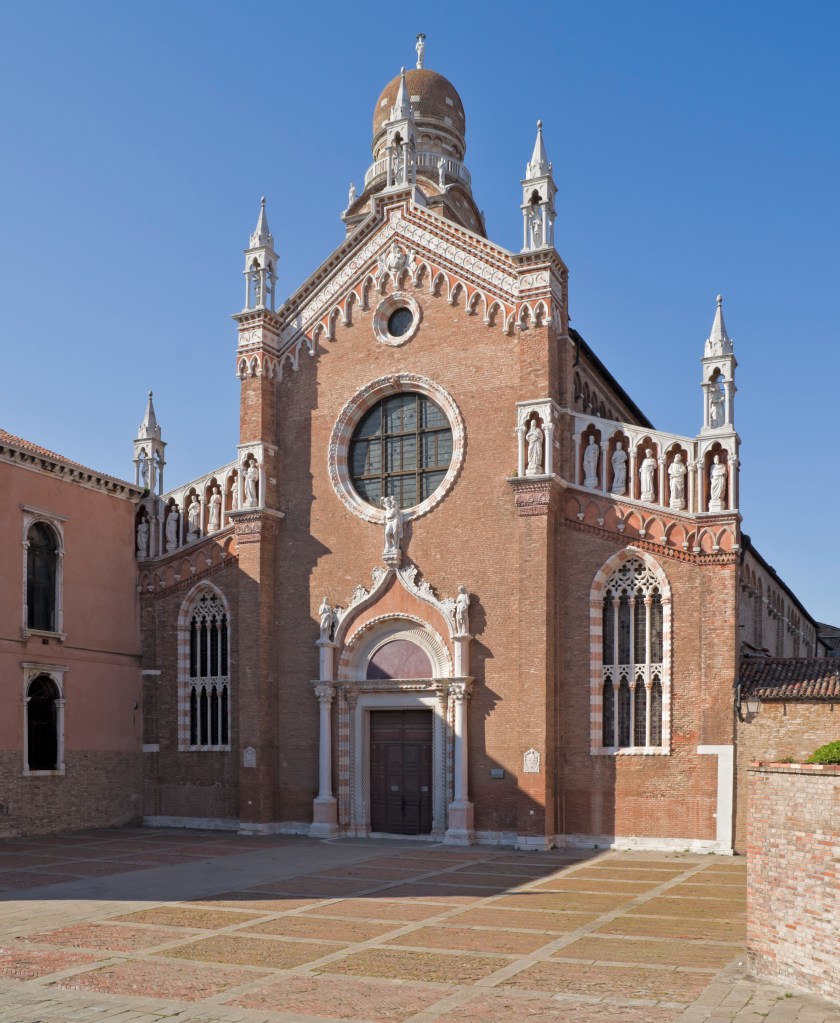
Chiesa della Madonna dell’Orto
The Chiesa della Madonna dell’Orto is a Gothic masterpiece built in the 14th century, tucked away in a peaceful corner of Cannaregio. Its striking brick façade, crowned with pinnacles and statues, opens onto a serene courtyard that feels worlds away from the bustle of Venice. Inside, the church holds a treasure trove of dramatic paintings by Tintoretto, including large-scale biblical scenes that showcase his bold style and emotional depth. Tintoretto lived nearby and is buried here, making the church both a spiritual and artistic landmark. The interior’s soaring arches and soft light create a reverent atmosphere, inviting quiet reflection. Originally dedicated to St. Christopher, the church was renamed after a miraculous statue of the Madonna was found in a nearby garden.
Fondamenta degli Ormesini
Fondamenta degli Ormesini is a lively canal-side promenade that captures the social spirit of Cannaregio. Popular with locals, it’s lined with casual cicchetti bars, cafés, and outdoor tables where neighbors gather for a spritz and conversation. The atmosphere is relaxed and welcoming, especially in the early evening when the light softens and the canal reflects the buzz of daily life. This stretch of Cannaregio offers a contrast to the quieter, more contemplative corners nearby—here, Venice feels lived-in and local. The name “Ormesini” refers to merchants from the East, a nod to the area’s historic role in trade and cultural exchange. Today, it’s a favorite spot for both Venetians and visitors to pause, snack, and soak in the rhythm of the city.

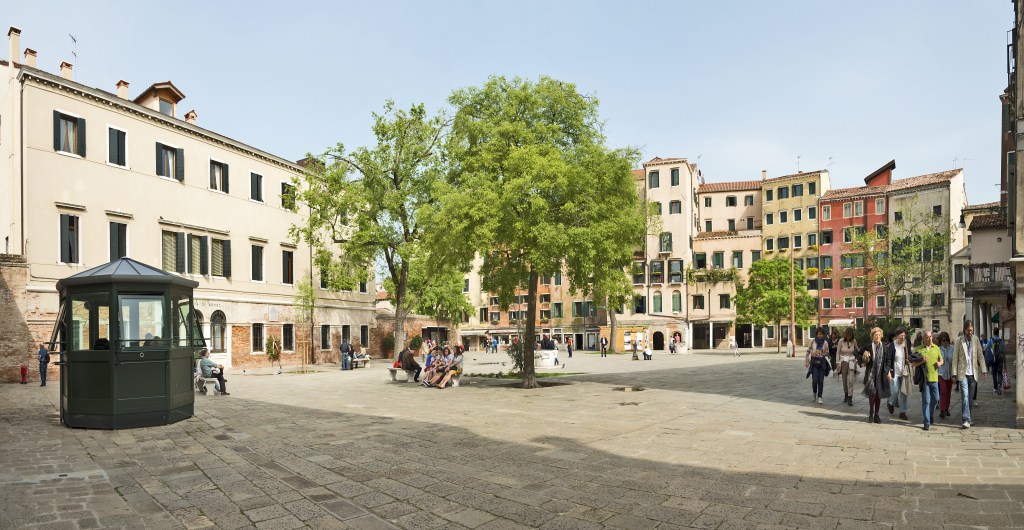
Ghetto Ebraico
The Ghetto Ebraico centered around Campo del Ghetto Nuovo was established in 1516 as the first legally recognized Jewish ghetto in Europe. The Venetian government confined Jews to this area at night, locking the bridges and surrounding it with canals. The term “ghetto” itself comes from this site, originally named for the foundries (“geti”) that once operated nearby. Despite the restrictions, the community built a strong religious and cultural life here. Today, visitors can tour five historic synagogues—including the Levantine, Spanish, and Italian Synagogues—through the Jewish Museum of Venice, which also offers exhibits on Jewish life in the city. Look for the Banco Rosso, one of Europe’s oldest pawnshops, and memorial plaques honoring Holocaust victims. A kosher bakery and small shops nearby continue the area’s living heritage.
Ponte delle Guglie
Ponte delle Guglie is one of the few bridges in Venice adorned with decorative spires. Built in 1580 and later restored, the bridge marks a symbolic entrance to the Ghetto area. Its name, meaning “Bridge of Spires,” refers to the elegant stone pinnacles at each end, added during a 19th-century renovation. The bridge’s carved balustrades and gargoyle details add a touch of grandeur to this otherwise modest stretch of Cannaregio. Historically, gates once stood at either end, locked at night to restrict movement in and out of the Ghetto. Today, the bridge remains a visual and cultural landmark—connecting Venice’s layered past with its vibrant present, and offering a scenic crossing into one of the city’s most historically rich neighborhoods.


Teatro Italia
Once a cinema, now a supermarket, Teatro Italia is one of Venice’s most surprising architectural gems—hidden in plain sight. Built in 1916 in neo-Gothic style, its façade features pointed arches, ornate tracery, and a dramatic rose window that evokes the grandeur of a medieval church. Step inside (yes, you can—it’s a Conad grocery store now) and you’ll find yourself beneath a vaulted ceiling with frescoes and stained glass windows that recall its theatrical past. It’s a rare example of adaptive reuse done with reverence, where locals shop for pasta and produce under the gaze of angels and allegories.
Casino of Venice (Vendramin Calergi Palace)
We now pass the Casino of Venice, housed in the Vendramin Calergi Palace one of the most elegant Renaissance buildings on the Grand Canal. While the original state-run casino, known as Il Ridotto, was founded in 1638 near San Moisè, the modern Casino di Venezia was established here in the 1950s. Today, it operates as a public gaming venue with slot machines and table games like roulette, blackjack, and poker. Visitors must be 18 or older and present valid ID to enter. The building itself is a historic landmark on the Grand Canal, known for its elegant architecture and gardens. The palace also includes the Wagner Museum, located in the mezzanine where composer Richard Wagner lived and died in 1883. It costs a minimum of €5 or €10 to enter. Men are required to wear a jacket in the live games area. I did not being a jacket to Venice.


Chiesa di Santa Maria Maddalena
Chiesa di Santa Maria Maddalena a small round church in Cannaregio with a unique architectural and symbolic history. Rebuilt in 1780 by architect Tommaso Temanza, its circular design was inspired by classical Roman buildings like the Pantheon and reflects Enlightenment ideals of symmetry and reason. The church’s layout and decoration include Masonic symbols, such as the “eye within the triangle” above the entrance and geometric patterns throughout the interior. These elements connect the church to Venice’s 18th-century Freemasonry movement, which included figures like Casanova and members of the Venetian Senate. The church also has historical ties to the Knights Templar, and its original structure dates back to the 13th century.
Campo San Felice
Campo San Felice is a quiet square along the Strada Nova that reflects the residential roots of Cannaregio. Historically, this was the center of a small island community, complete with its own church, canal, and marketplace. The Chiesa di San Felice, which faces the campo, dates back to the 10th century and was rebuilt in the 16th century in Renaissance style. Inside, it features a Greek cross layout and artworks including a St. Demetrius attributed to Tintoretto and a crucifix by Andrea Brustolon. The church also holds historical significance as the baptism site of Pope Clement XIII. While the campo today blends into the busy pedestrian route of the Strada Nova, it still offers a moment of calm and a glimpse into Venice’s layered past.

Thanks for walking with me!
I hope you enjoyed exploring this quieter side of Venice and discovering the stories, history, and everyday life that make this district so special.
If you enjoyed the route, found a hidden gem, or have ideas for improving the experience, I’d love to hear from you! Your insights help me improve future walks and inspire fellow travelers. Please rate this walk using the stars below — and feel free to leave a comment. Grazie! — and happy exploring!


Click here for more JCV Walks
Your journey doesn’t have to end here. Choose another walk and let’s keep exploring together—one step at a time.
JCV Walks in San Polo
Return to the Rialto Bridge to discover the rich history of Venice’s oldest sestiere in San Polo, home to Gothic churches, quiet campos, and the city’s vibrant food markets.
JCV Walks in Castello
Explore the quieter, more residential side of Venice in Castello, where naval history, leafy gardens, and hidden churches reveal a different rhythm of city life.
JCV Walks in San Marco
Explore the historic San Marco district, and Piazza San Marco these walks exploring the ceremonial and cultural heart of Venice.
JCV Walks in Santa Croce
This walk begins in San Polo at Campo San Toma and explores the blend between Venice’s transportation infrastructure and the local neighborhoods that surround it.
Photo Credits
- Canale di Cannaregio – Photo by Didier Descouens – Licensed under CC BY-SA 4.0, Source
- Pointe De Rialto- Photo by kallerna – Licensed under CC BY-SA 4.0, Source
- Fondamenta San Felice – Captured via Google Maps Street View, Source Google Street View, © Google
- Ponte Chiodo – Photo by Didier Descouens – Licensed under, CC BY-SA 4.0, Source
- Casa del Tintoretto – Photo by Didier Descouens – Licensed under, CC BY-SA 4.0, Source
- Campo dei Mori Statue – By Sailko – Own work, CC BY 3.0, Source
- Chiesa della Madonna dell’Orto – Photo by Didier Descouens – Licensed under, CC BY-SA 4.0, Source
- Fondamenta degli Ormesini – Captured via Google Maps Street View, Source Google Street View, © Google
- Chiesa Parrocchiale di Sant’Alvise – Photo by Godromil – Licensed under, Public Domain, Source
- Ghetto Ebraico – By Didier Descouens – Own work, CC BY-SA 4.0, Source
- Ponte delle Guglie – By Marc Ryckaert – Own work, CC BY-SA 4.0, Source
- Ponte de Gheto Novo – Photo by Didier Descouens – Own work, CC BY-SA 4.0, Source
- Teatro Italia – Photo by Derbrauni – Licensed under CC BY 4.0, Source
- Vendramin Calergi Palace Casino – Photo by Didier Descouens – Own work, CC BY-SA 4.0, Source
- Chiesa di Santa Maria Maddalena – Photo by Didier Descouens – Own work, CC BY-SA 4.0, Source
- Campo San Felice – Photo by Nelson Pérez, CC BY-SA 3.0, Source
