A City of Grand Boulevards, Green Retreats, and Lively Plazas

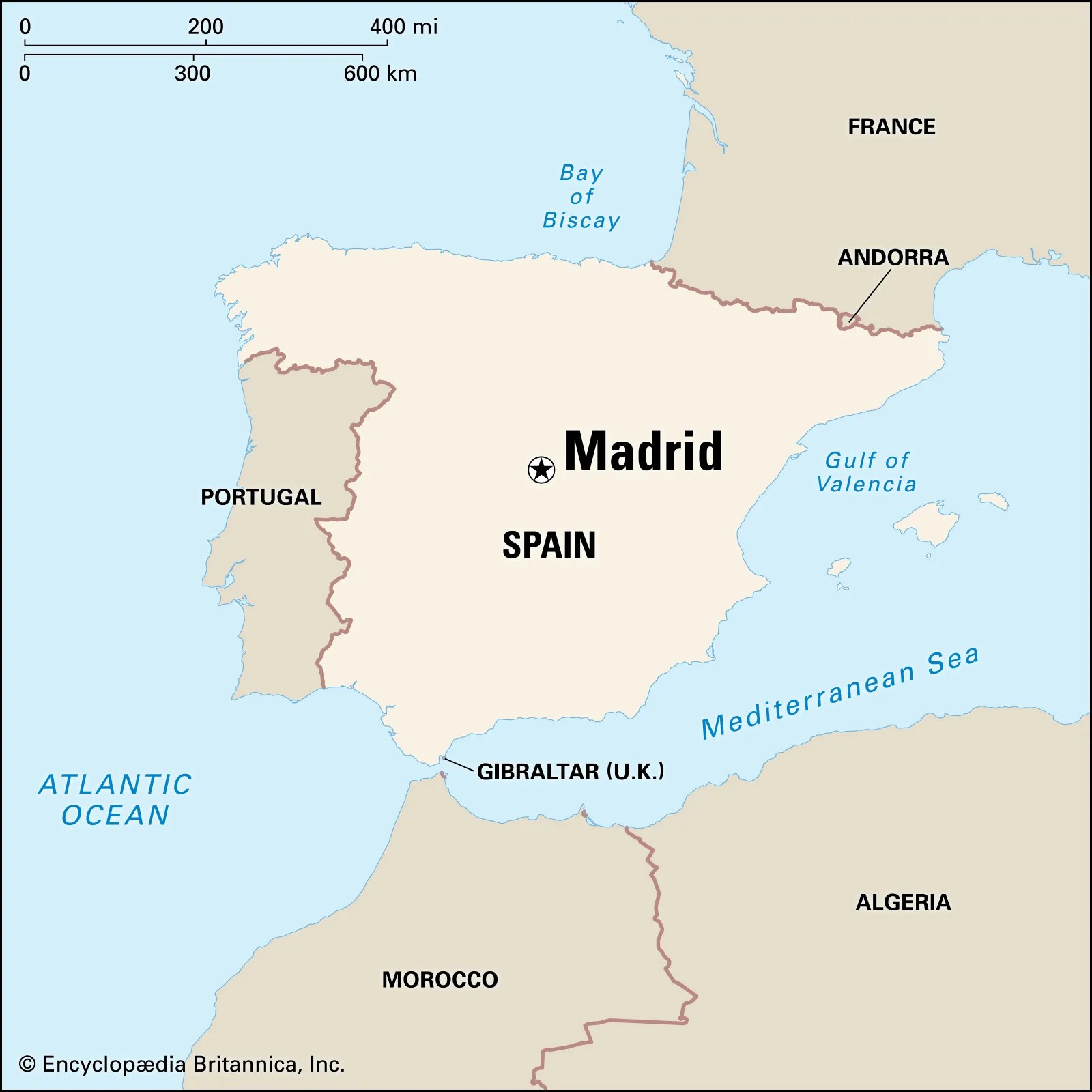
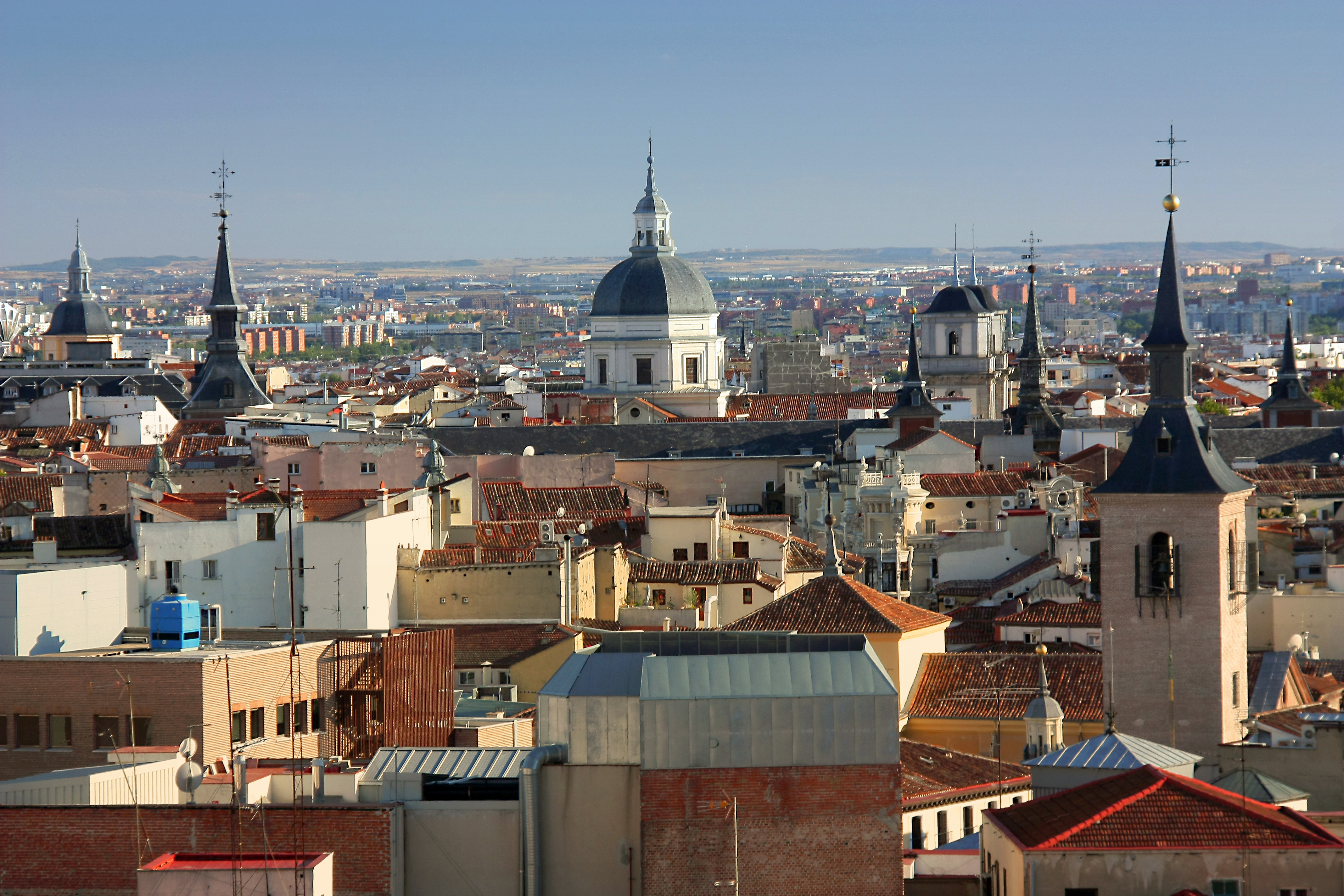

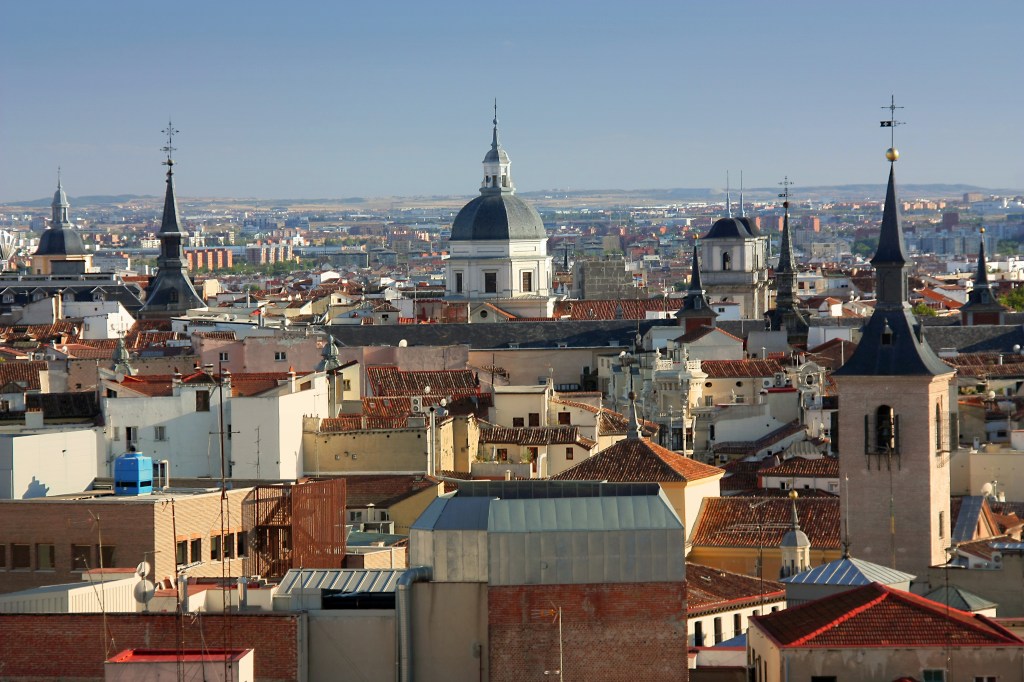
Madrid, the vibrant capital of Spain, is a city steeped in history and culture. Founded in the 9th century, it became the capital of Spain in 1561 under King Philip II. The city’s strategic location in the center of the Iberian Peninsula made it an ideal political and administrative hub. Over the centuries, Madrid has grown from a modest town into a bustling metropolis, playing a pivotal role in Spain’s history. The city is home to the Spanish monarchy, the national government, and numerous historical landmarks, including the Royal Palace and the Almudena Cathedral.
Madrid is not only significant for its political and historical importance but also for its rich cultural heritage. The city boasts world-renowned museums such as the Prado Museum, the Reina Sofia Museum, and the Thyssen-Bornemisza Museum, which house masterpieces by artists like Velázquez, Goya, and Picasso. Madrid’s lively neighborhoods, such as Malasaña and Chueca, offer a mix of traditional and modern experiences, from historic plazas and markets to trendy bars and boutiques. The city’s vibrant atmosphere, combined with its historical and cultural significance, makes Madrid a must-visit destination for travelers from around the world.
Culture & Gardens
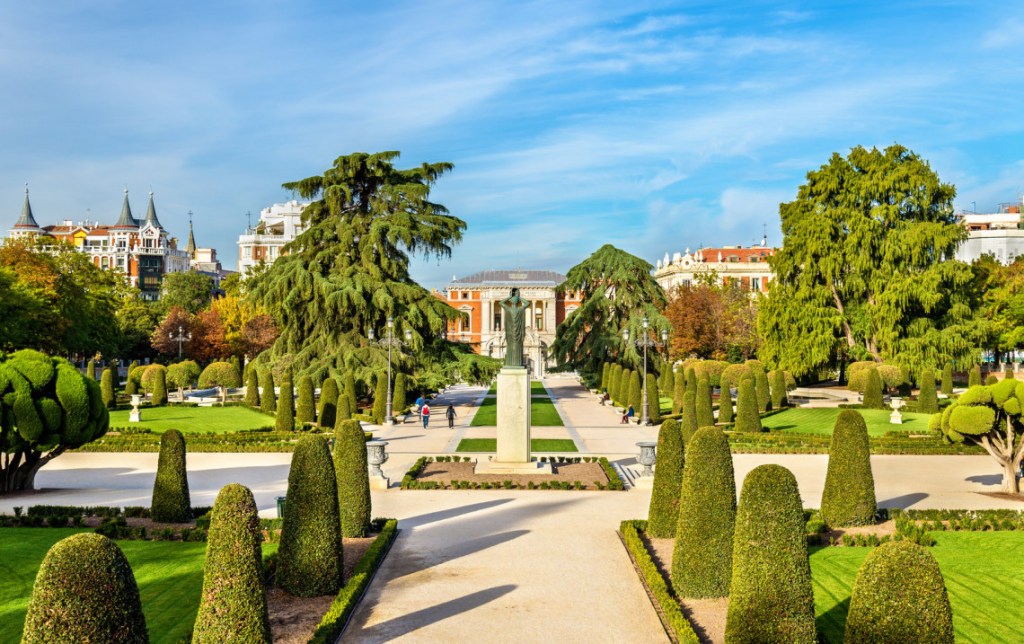
Madrid’s Cultural Heart
Palaces and Plazas
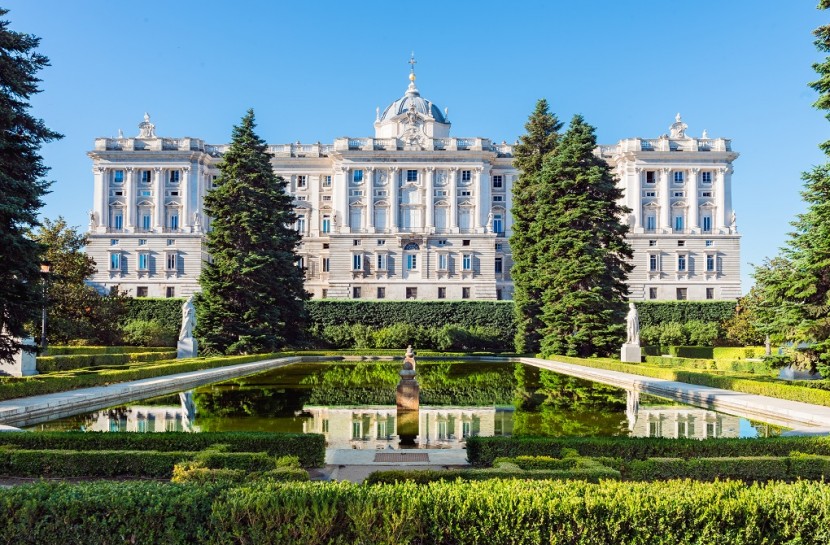
Madrid’s Historic Core
Local Life
Coming Soon
How to Navigate with your Mobile Device
JCVWalks are designed to be easy to follow on your mobile device. As you walk, you can tap the header or photo for each point of interest to open the location directly in Google Maps. This will help you navigate from your current location to the next point of interest. If you’d like to learn more about any stop along the way, just click the links in the description for additional details and context.
